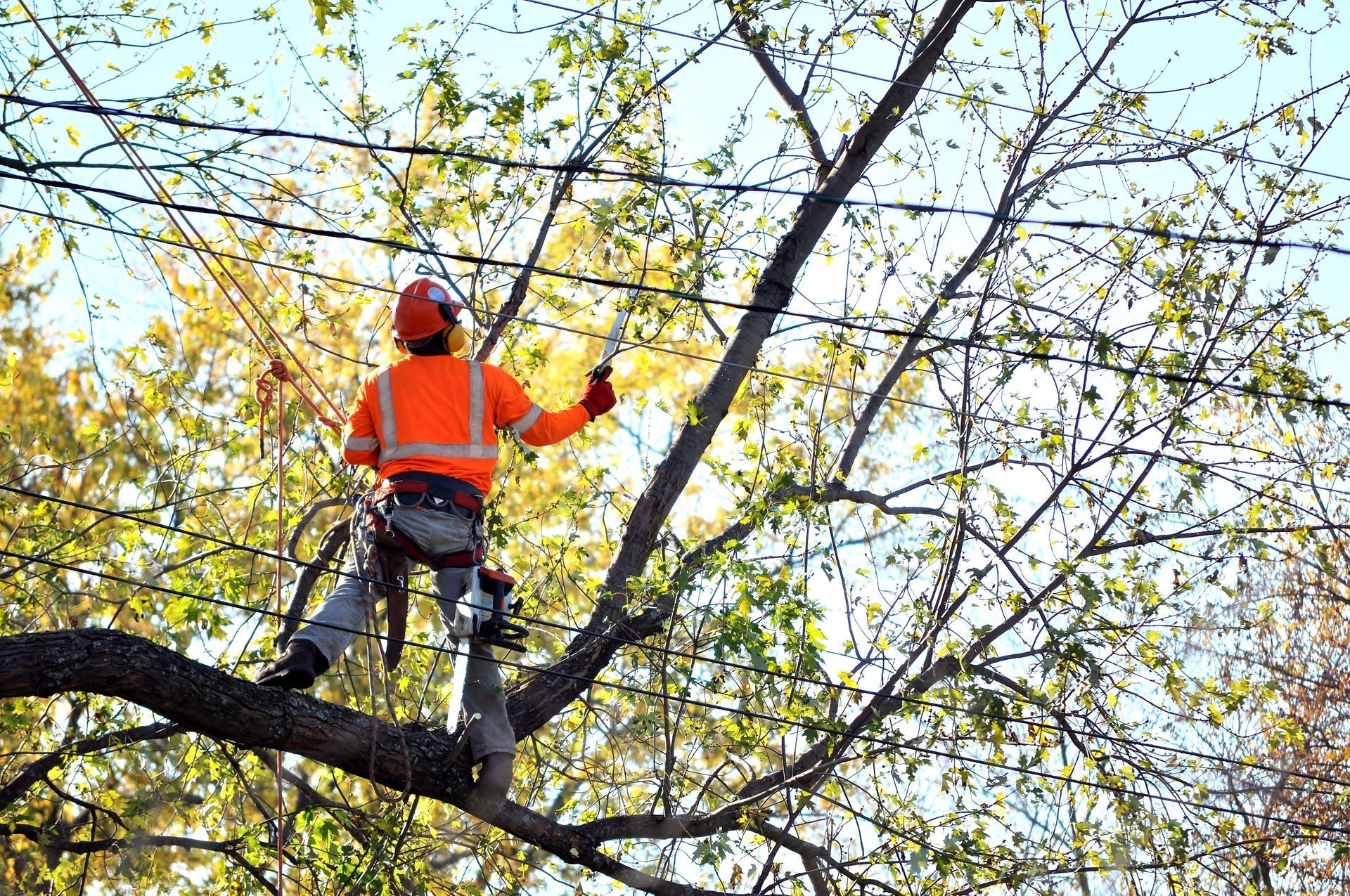
Tree trimming is a crucial aspect of maintaining healthy and aesthetically pleasing trees. In this article, we will explore expert tips and techniques for effective tree trimming, from knowing the right tools to understanding the best time to trim. Our goal is to equip you with the knowledge to care for your trees like a professional.
Understanding Why Tree Trimming is Necessary
Tree trimming is essential for enhancing the aesthetic appeal of trees in any landscape. Proper trimming can sculpt a tree into a beautiful natural artwork, thereby increasing a property's overall curb appeal. A well-trimmed tree can also complement the architectural features of a house, garage, or garden. Furthermore, symmetry can be achieved through strategic pruning, making the tree a focal point in any outdoor space. Regular trimming prevents overgrown branches from creating an unkempt and wild look.
Beyond aesthetics, tree trimming is vital for optimizing the health and growth of trees. Diseased, damaged, or dead branches can be removed to prevent the spread of illness throughout the tree. Trimming also fosters robust growth by allowing more sunlight and air to reach the inner parts of the tree. When properly executed, tree trimming can stimulate new growth while maintaining the tree's health and structural integrity. According to Bob Vila, a home improvement resource, young trees need trimming every two to three years to ensure their strong and balanced growth.
Tree trimming also plays a key role in preventing potential property damage. Overgrown or damaged branches can pose a threat to buildings, power lines, and vehicles during storms or high winds. By proactively trimming these branches, homeowners can mitigate the risk of costly repairs and dangerous situations. In addition, safety considerations extend to pedestrian areas where hanging limbs can become a hazard. Implementing a regular trimming schedule minimizes these risks and helps maintain a safe environment for family and community members.
Choosing the Right Tools for Tree Trimming
Pruning shears are an indispensable tool for any tree trimming enthusiast. They are ideal for cutting small branches and twigs effortlessly, allowing for precise and clean cuts. With the right pruning shears, gardeners can maintain the desired shape and health of trees with minimal effort. It's important to choose shears with comfortable grips and sharp blades, ensuring efficiency and reducing hand strain during extended trimming sessions. Keeping shears sharp is essential, as dull blades can cause unnecessary stress and damage to the tree.
Loppers are another critical tool for trimming thicker branches that pruning shears can't handle. Featuring long handles and larger blades, loppers provide the necessary leverage to cut branches as thick as two inches in diameter. This tool is perfect for reaching higher parts of the tree without the need for a ladder. Additionally, loppers come equipped with either bypass or anvil blades, each suited for different types of branches. Regular maintenance, such as cleaning and oiling, keeps loppers in optimal condition for reliable performance.
Pole pruners and chainsaws are valuable for reaching high branches with ease. Pole pruners feature an extendable handle and a cutting head, allowing for efficient trimming without leaving the ground. On the other hand, chainsaws can power through large or dense branches, making them essential for tough tree trimming jobs. While these tools are beneficial, they require careful handling and proper safety gear to prevent accidents. In terms of safety, it's vital to wear gloves, protective eyewear, and sturdy footwear to reduce the risk of injury during tree maintenance.
When to Trim: The Best Times for Tree Maintenance
Understanding seasonal considerations is crucial when planning tree trimming. The dormant season, usually in the late fall or winter, is often the best time for pruning most trees. Trimming during dormancy reduces the risk of pest infestations and diseases entering through fresh cuts. Moreover, the lack of leaves in winter offers a clearer view of the tree's structure, facilitating more precise and informed cuts. However, some tree species may require trimming at different times, and it's essential to accommodate their specific needs.
Identifying deadwood is another vital aspect of determining the right time for tree trimming. Deadwood refers to branches that are no longer alive and can pose a risk if left unattended. These branches are typically identified by their lack of leaves or buds during the growing season. Removing deadwood promptly not only prevents potential hazards but also encourages the tree to channel resources to healthier, living branches. This practice helps maintain the tree's overall vigor and health.
Basic Tree Trimming Techniques
Crown thinning is a technique focused on the selective removal of branches to reduce a tree's density. This practice allows more light and air to penetrate the canopy, promoting healthy growth by reducing the risk of disease and mold. Crown thinning can also help reduce the weight on heavy branches, minimizing the likelihood of breakage during strong winds. By working on small sections at a time, gardeners can achieve a natural look while alleviating stress on the tree. Regular crown thinning can aid in keeping the tree's silhouette balanced and aesthetically pleasing.
Crown raising involves the removal of lower branches to elevate the tree's canopy. This technique serves multiple purposes, such as providing better clearance for pedestrians, vehicles, and buildings. Crown raising is particularly useful in urban environments where overhead space might be limited. Raising the crown can also improve sight lines and enhance the tree's form by revealing the trunk and branching structure. Careful implementation ensures that the tree maintains balance without jeopardizing stability.
Crown reduction is the process of reducing the height or spread of a tree's crown. This technique is commonly used when trees grow too large for their allotted space or pose a risk to structures. Crown reduction should be carried out with precision, ensuring that cuts are made at appropriate angles to stimulate new growth. It's important to maintain the tree's natural shape while executing this practice, as uneven trimming can lead to regrowth issues and structural weakness. Lastly, regular monitoring of the tree after crown reduction helps in assessing its response and planning future trims.
Advanced Tree Trimming Practices
Structural pruning focuses on creating a strong foundation for young trees through selective trimming. This technique aims to guide growth by emphasizing one dominant stem and distributing symmetrical branches. Structural pruning benefits long-term tree health by reducing the risk of developing weak branch unions, which can affect stability. According to Bob Vila, young trees benefit the most from structural pruning every 2 to 3 years, allowing for robust and balanced development. Incorporating structural pruning early promotes healthy growth that lasts a lifetime.
Restorative pruning aims to rejuvenate mature or damaged trees by removing unhealthy or excessive branches. This method focuses on reviving structural integrity and encouraging new growth in struggling trees. It is particularly beneficial for trees that have suffered from neglect, storm damage, or previous poor trimming practices. Restorative pruning often requires multiple sessions to gradually achieve the desired outcome, minimizing stress on the tree. Patience and persistence are key to successfully restoring a tree's vitality and appearance.
Tree trimming is an essential skill for any homeowner or gardener aiming to maintain vibrant and safe landscapes. Whether you're doing it yourself or hiring an expert, understanding the intricacies of tree trimming can lead to healthier trees and a more beautiful surrounding. By applying the tips and techniques shared by professionals, you can ensure your trees flourish for years to come. For more information about the services that we offer, reach out to our incredible team at MJH Stump & Tree Service today!