April 16, 2026
Large trees provide shade, beauty, and environmental benefits, but sometimes they require removal due to disease, storm damage, safety concerns, or construction needs. Many property owners feel uncertain about the removal process, wondering what it involves, how much it costs, and whether DIY attempts prove feasible. Understanding what professional tree removal entails helps you prepare for the process and recognize why expert services prove essential for safety. The difference between safe, efficient removal and dangerous situations often comes down to the proper equipment, training, and experience that professionals provide. Learning what to expect when hiring tree removal specialists empowers you to make informed decisions about addressing problematic trees safely.
Initial Assessment and Free Estimate Process
According to Bob Vila, a home improvement resource, large trees grow between 60 and 80 feet tall, requiring heavy equipment for removal. Professional arborists visit properties to evaluate tree size, location, condition, and surrounding hazards before providing accurate cost estimates for removal work. This on-site assessment identifies complications, including power lines, structures, other trees, and access limitations that affect removal complexity and pricing significantly. The detailed evaluation that professionals conduct ensures estimates reflect actual work requirements rather than guesses that prove inaccurate when complications appear. Reputable tree services provide written estimates specifying all work included, cleanup extent, stump disposal options, and any additional costs that specific circumstances create. They explain their removal approach, timeline expectations, and answer questions, ensuring you understand the process before committing to services and scheduling.
Tree removal ranks among the most dangerous occupations, with risks including falling limbs, equipment accidents, power line contact, and structural failures. These hazards prove particularly severe with large trees where massive weights, significant heights, and unpredictable behavior create life-threatening situations for untrained individuals. The safety equipment and training that professionals possess prove essential for managing risks that DIY attempts cannot adequately address, despite good intentions. Professional tree removal services employ certified arborists trained in safe rigging, cutting techniques, and hazard recognition that years of experience develop through countless removals. They use proper personal protective equipment, including helmets, eye protection, gloves, and chainsaw chaps, protecting against the injuries that tree work creates. The safety protocols they follow minimize risks to workers, property, and bystanders through the systematic approaches that proper training instills consistently.
Securing Necessary Permits and Permissions
Many municipalities require permits for tree removal, particularly for large specimens or trees in protected areas subject to local preservation ordinances. These regulatory requirements protect the community tree canopy while ensuring removal occurs appropriately when legitimate reasons justify the loss of significant trees. The permitting knowledge that professionals possess streamlines approval processes, preventing delays from incomplete applications or procedures not followed correctly through bureaucratic requirements. Experienced tree removal services handle permit applications when required, coordinating with local authorities and providing documentation supporting removal necessity through proper channels. They understand local regulations, knowing which trees require permits and what approval processes are involved for various circumstances and tree conditions. The regulatory compliance they ensure prevents the fines and complications that unpermitted removal creates when discovered by authorities enforcing tree ordinances.
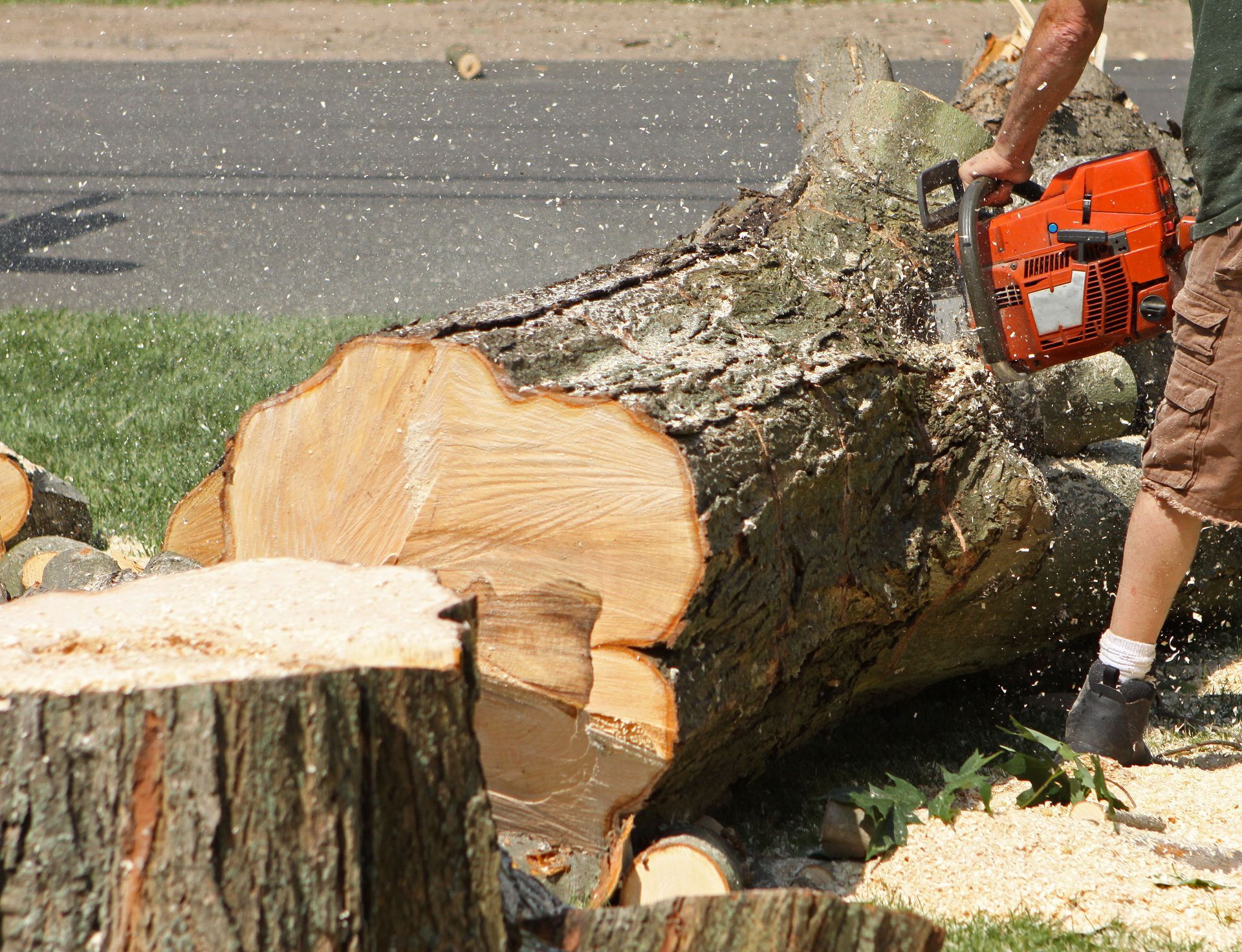
Removing large trees requires specialized equipment, including bucket trucks, cranes, chippers, and rigging gear that homeowners don't possess or cannot operate safely. This equipment proves essential for accessing tall trees, lowering heavy sections safely, and processing debris efficiently after removal work is complete. The crew size needed for safe removal varies with tree size and complexity, with larger removals requiring multiple trained workers. Professional tree removal services arrive with appropriate equipment and adequately sized crews, ensuring safe, efficient work completion within reasonable timeframes predicted during estimates. They maintain equipment properly, ensuring reliability and safety rather than using poorly maintained tools, creating additional hazards during already dangerous work. The equipment capabilities they bring allow the removal of trees that no amount of determination makes possible through manual methods and consumer-grade tools.
Protecting Surrounding Property During Removal
Professional removal includes measures protecting landscaping, structures, utilities, and neighboring properties from damage that falling limbs or rolling logs could create without precautions. These protective measures include strategic rigging lowering sections safely, ground protection preventing lawn damage, and debris control keeping work contained within designated areas. The property protection that careful work provides prevents the collateral damage that careless removal creates through dropped limbs damaging fences, crushing shrubs, or denting vehicles. Careful tree removal services use rigging techniques controlling piece descent precisely, preventing uncontrolled falls that damage property or create hazards for workers and bystanders. They position equipment thoughtfully, protecting driveways and lawns from heavy machinery damage through ground protection and strategic placement, minimizing impact areas. The property care they demonstrate during work prevents the damage that rushed or careless removal creates, despite completing the primary tree removal objective.
Complete removal includes cutting trees into manageable sections, chipping branches, removing all debris, and leaving properties clean rather than creating disposal problems. This comprehensive cleanup proves essential, as massive debris piles from large trees create significant disposal challenges without professional equipment and connections. The cleanup thoroughness varies between companies, making a clear understanding about what's included essential before hiring services for tree removal work. Professional tree removal services specify the cleanup extent in estimates, clarifying whether debris removal, stump grinding, and complete site restoration are included or additional charges. They have disposal connections, including recycling facilities, firewood processors, and waste sites accepting tree debris that homeowners cannot access for disposal needs. The cleanup they provide transforms sites from debris-covered disaster areas to clean properties where evidence of tree removal disappears completely after work completion.
Stump Removal and Grinding Considerations
Tree removal typically leaves stumps requiring separate grinding services to eliminate, rather than allowing them to deteriorate slowly over the years. These stumps create hazards, harbor pests, prevent replanting or construction, and prove unsightly despite tree removal addressing the above-ground portions. The stump grinding that requires complete removal uses specialized equipment, reducing stumps to wood chips below ground level, where grass growth covers areas. Comprehensive tree removal services include or offer stump grinding as an addition to removal work, explaining options and costs for complete stump elimination. They grind stumps to specified depths, fill holes with grindings or topsoil, and ensure areas can be replanted or grassed immediately. The stump services they provide include complete removal projects, eliminating the remnants that otherwise remain, creating ongoing property use and maintenance problems.
Damaged or hazardous trees sometimes qualify for insurance coverage, requiring proper documentation and professional assessment supporting claims for removal costs reimbursement. This documentation includes photos, written reports, and detailed invoices that insurance companies require when processing claims for covered tree removal. The claims support that professionals provide help navigate insurance processes, ensuring proper documentation exists supporting coverage requests when policies cover removal situations. Experienced tree removal services provide detailed documentation, including photos, written assessments, and itemized invoices supporting insurance claims when applicable for covered situations. They communicate with adjusters, explaining damage extent and removal necessity through the professional credibility that established companies bring to claim discussions. The documentation they provide proves essential for successful claims, ensuring proper records exist supporting reimbursement requests when insurance policies cover tree removal.
Understanding what professional tree removal involves helps property owners prepare for the process and recognize value beyond just cutting trees. The investment in qualified tree services delivers safe, efficient removal that DIY attempts cannot match, despite cost savings from amateur work. Making informed decisions about tree removal ensures dangerous or unwanted trees receive the expert attention that safe elimination requires. Whether you need firewood delivery, commercial and residential snow removal, land clearing, tree services, storm damage tree removal, stump grinding, tree removal, or tree trimming, MJH Stump & Tree Service provides 24/7 emergency services, offers free next-day estimates, and guarantees satisfaction. For more information, contact us today!